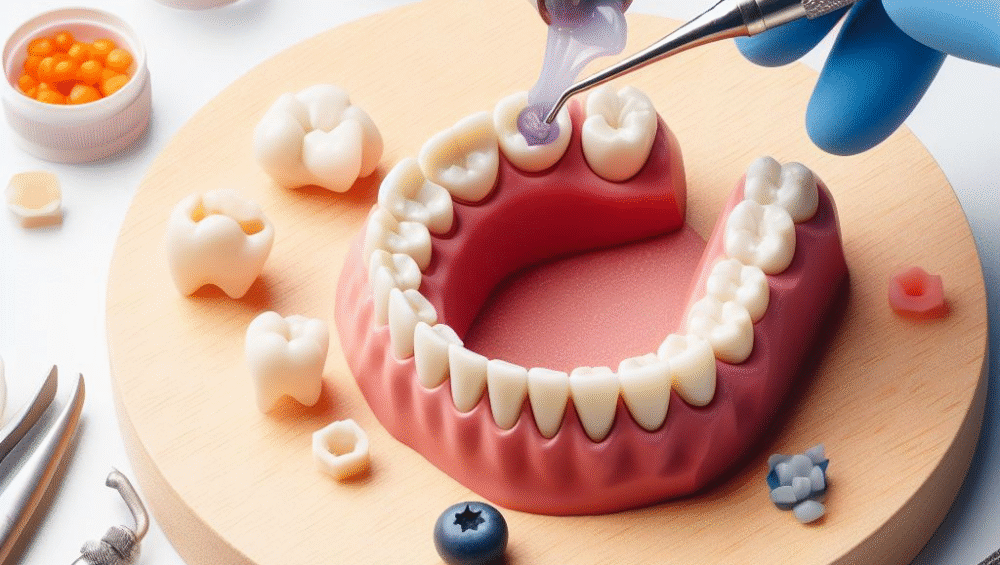
Dental Precision - Custom Wax Rims and Bite RegistrationCategoriesComplete Dentures

How to Create Custom Wax Rims for Bite Registration Using Bite Rim Former Instrument

Bite registration is a crucial step within the world of restorative dentistry. It lays the inspiration for snug and purposeful dental restorations, and at the heart of this procedure lies the advent of custom wax rims. These custom wax rims are vital to recording an affected person’s bite, ensuring that prosthetic gadgets align effectively with their herbal bite.

In this Article, we can delve into creating custom wax rims for chunk registration using a specialized device known as the Bite Rim Former Instrument. We’ll offer a step-by-step manual, discuss the substances required, and emphasize the importance of precision in this process. We will also cope with commonplace challenges that dentists may encounter and provide solutions to conquer them efficiently.

Let’s explore the artwork of making custom wax rims and how it contributes to successful bite registration.

Introduction:

Bite registration is a critical step in restorative dentistry, ensuring dental restorations, prosthetic gadgets, and whole dentures align efficiently with a patient’s herbal bite, stopping soreness and headaches. At the core of this method is the advent of custom wax rims.Custom wax rims are meticulously crafted to duplicate an affected person’s future denture or recuperation. They provide a solid platform for recording the proper courting between the higher and lower jaws. This accuracy is paramount because it affects the achievement of numerous dental treatments.

Understanding Bite Registration and Custom Wax Rims:

Before we dive into the realistic components of creating custom wax rims, it’s crucial to apprehend the fundamental ideas of chew registration and the position custom wax rims play in this system.Bite registration records the relationship among an affected person’s upper and lower teeth when their jaws are closed. This recording is the initial step in restorative dentistry and affords the muse for crafting dental restorations that aren’t the most effective relaxing but are also fully purposeful.

Custom wax rims are imperative to this technique. They serve as a bodily illustration of a patient’s future denture or healing. These wax rims are precisely designed to replicate the affected person’s herbal chew and facilitate the correct recording in their bite dating.

Dental Precision - Custom Wax Rims and Bite Registration

The Role of Bite Rim Former Instrument:

The Bite Rim Former Instrument is a dental tool that simplifies making custom wax rims. This tool allows dentists to achieve the preferred form and dimensions of the wax rims precisely. It performs a pivotal function in streamlining the manner and ensuring the accuracy of the custom rims.

Materials Needed:

Several substances and gadgets are required to embark on the journey of creating custom wax rims. These materials are cautiously selected to ensure the accuracy of the edges. Here’s a complete listing of what you will want:

  • – Bite Rim Former Instrument
  • – Wax sheets or wax blocks
  • – Water tub or heating device
  • – Spatula
  • – Calipers
  • – Flask

These materials are the constructing blocks of the custom wax rims and the equipment to permit you to craft them with precision.

Step-by-Step Guide to Creating Custom Wax Rim

Now, let’s explore the realistic aspects of creating custom wax rims. This step-by-step guide will stroll you through the technique, ensuring it’s easy to comply with and recognize.

1. Preparing the Wax:

The first step includes preparing the wax sheets or blocks. They need to be softened, which can be finished using a water bathtub or a heating tool.

2. Measuring Dimensions:

Use calipers to measure the dimensions of the patient’s mouth and the arch width and peak.

3. Creating the Base Plate:

Start developing the base plate with the softened wax. This plate will serve as the foundation for the wax rims.

4. Forming the Wax Rims:

With the Bite Rim Former Instrument, shape the wax rims to duplicate the affected person’s natural chunk. The instrument lets in for precise adjustments.

5. Checking for Accuracy:

Ensure the wax rims align with the affected person’s bite. Any essential modifications may be made to this degree.

6. Securing the Wax Rims:

Once the edges are correct, steady them in a flask for the last processing degrees.

7. Final Processing: The wax rims

The situation is at a final processing stage and may involve additional heating to ensure stability and accuracy.

Dental Precision - Custom Wax Rims and Bite Registration

Importance of Accuracy:

The accuracy of custom wax rims can’t be overstated. Precision in creating these rims is fundamental to the overall success of dental restorations. When the rims appropriately reflect the affected person’s natural chunk, the subsequent steps in restorative dentistry, including bite registration, become more straightforward.

The patient’s consolation and the functionality of the final dental recovery depend upon the precision of those rims. Any inaccuracies in their introduction can cause pain and headaches down the road.

Common Challenges and How to Overcome Them:

Creating custom wax rims can also present demanding situations, as with any dental procedure. It’s essential to be organized for those challenging situations and have answers to hand. Common issues that may stand out include variations in the affected person’s anatomy and difficulties reaching the favored rim dimensions. Overcoming those challenges calls for adaptability and know-how.

Conclusion:

Creating custom wax rims for bite registration is a foundational step in restorative dentistry. The accuracy of these rims without delay impacts the comfort and functionality of dental restorations. The Bite Rim Former Instrument streamlines the method, ensuring precision and efficiency. Custom wax rims are a testament to the artistry of dentistry, as they replicate an affected person’s herbal chunk with exceptional accuracy. Their introduction marks the beginning of an adventure in the direction of dental restorations that restore smiles and improve the quality of lifestyles for patients.

FAQ's

Custom wax rims are crucial for replicating a patient’s natural bite accurately. This accuracy is essential to achieving dental restorations, ensuring each consolation and functionality.

The Bite Rim Former Instrument permits dentists to form wax rims with precision, streamlining the technique and ensuring the accuracy of the custom rims.

Essential substances include the Bite Rim Former Instrument, wax sheets or blocks, a water tub or heating tool, a spatula, calipers, and a flask.

Dentists may encounter challenges related to variations in patient anatomy and difficulties in achieving the desired rim dimensions. These challenges can be addressed through adaptability and expertise.

Bite registration is a foundational step in restorative dentistry, recording the patient’s bite accurately and ensuring the success of dental restorations.
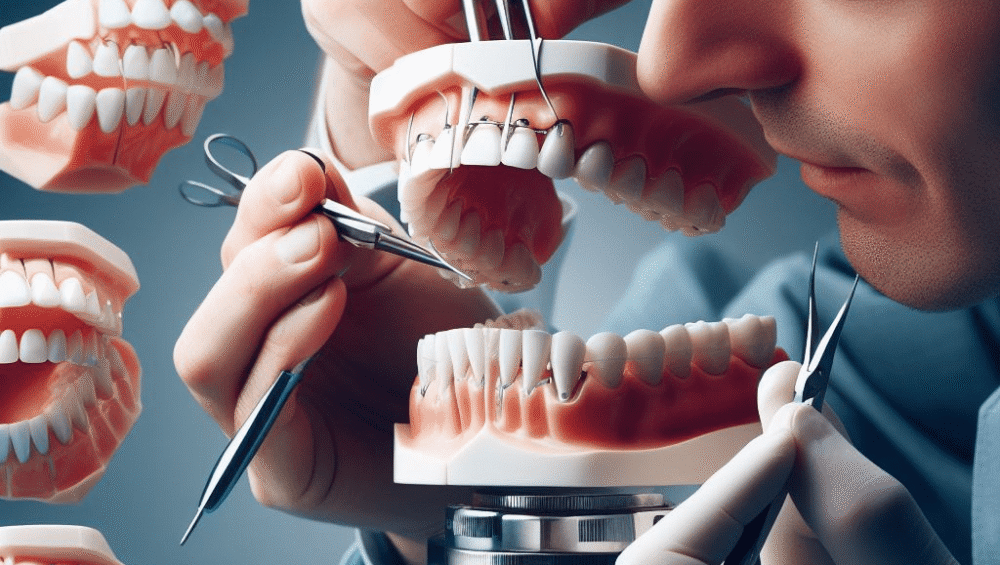
Dental professionals take precise impressions for bite registration.CategoriesComplete Dentures

Critical Techniques for Achieving Successful Bite Registration in Dentistry

Introduction:

Bite registration is a crucial issue of restorative dentistry, with unique importance within the context of whole dentures. Achieving a special chew registration sets the level for comfortable and purposeful dental restorations. In this comprehensive guide, we can discover the techniques for a hit bite registration, mainly that specialize in their utility within whole dentures.

Bite Registration Techniques for Complete Dentures:

Let’s begin delving into the techniques dentists rent to ensure correct chew registration for diverse dental methods, specifically emphasizing complete dentures.

The Significance of Bite Registration:

Understanding the function of chew registration in restorative dentistry is step one closer to achieving successful outcomes.

1. Importance of Accurate Bite Registration:

Accurate chunk registration forms the muse for dental restorations that match seamlessly and without problems. It guarantees dental prosthetics align efficaciously with an affected person’s herbal chew, preventing pain and headaches.

2. Key Role in Dental Restorations:

Dive deeper into the critical role of bite registration within the success of various dental restorations, consisting of crowns, bridges, and whole dentures.

Preparing for Bite Registration:

Before the natural bite registration system, specific preparatory steps are crucial to ensure a clean and correct technique.

1. Ensuring Patient Comfort:

Patient comfort is paramount to the success of chunk registration. Discover how a comfortable and herbal head function is vital to acquiring an accurate chunk registration.

2. Clear Communication:

Effective and apparent communique with the patient is critical to acquiring their cooperation at some stage in the bite registration method.

Dental professionals take precise impressions for bite registration.

Conventional Bite Registration Techniques:

Conventional techniques have long been employed to capture correct chunk registrations.

1. The Use of Bite Registration Wax:

Explore the conventional method of chunk registration wax and understand why it remains a preferred method for many dentists.

2. Silicone-Based Materials:

Silicone-based substances provide versatility in chew registration, with diverse viscosities available to shape specific affected person needs.

3. Polyvinyl Siloxane Materials:

Polyvinyl siloxane substances are renowned for their accuracy and balance, making them a reliable alternative for capturing an accurate chunk.

Digital Bite Registration:

Modern dentistry has witnessed giant advancements in virtual chew registration techniques.

1. Advancements in Digital Dentistry:

Discover how digital generation has revolutionized chunk registration, imparting precision and efficiency.

2. Intraoral Scanners:

Intraoral scanners have added approximately a transformative trade in chunk registration, presenting a digital 3-D representation of the patient’s oral hollow space for fairly accurate effects.

Integration of CAD/CAM Technology:

Learn approximately the integration of CAD/CAM technology in virtual chew registration, taking into account the unique digital seize of the chew.

Bite Registration for Complete Dentures:

Complete dentures require particular concerns in the bite registration system.

1. Specific Considerations:

Understand the particular aspects concerning chunk registration for entire dentures, aiming to gain a herbal and snug chew for the patient.

2. Achieving a Natural Bite:

The primary purpose of whole dentures is to replicate a herbal and snug chew, permitting sufferers to speak and eat comfortably.

Dental professionals take precise impressions for bite registration.

Recording Centric Relation:

The centric relation approach plays a pivotal position in chew registration.

1. The Centric Relation Technique:

Delve into the centric relation method, which involves guiding the patient’s jaw into a balanced position where the tooth comes into touch with minimum muscle interest.

2. Importance in Complete Dentures:

In the context of whole dentures, accomplishing the centric relation is crucial to ensuring that the dentures feature nicely and provide consolation to the affected person.

Overcoming Challenges:

Various demanding situations can arise in the course of the chew registration procedure.

1. Patient Cooperation:

Explore the significance of patient cooperation and how dentists cope with demanding situations, particularly in patients with confined jaw mobility.

2. Managing Bite Variability:

Discover how variations in muscle tone and bite styles can pose challenges and how dentists adapt their techniques to house these variables.

Verification of Accuracy:

After recording the chunk, the accuracy must be proven to ensure reliability.

1. Verifying the Recorded Data:

It understands the steps involved in verifying the accuracy of the chunk registration information, which is an essential thing of the process.

2. Ensuring Reliability:

Learn how the verification process guarantees that the chunk registration is dependable for use in dental procedures, preventing complications.

Dental professionals take precise impressions for bite registration.

Conclusion:

Ultimately, the techniques for successful bite registration are essential to achieving diverse dental methods, with a particular focus on whole dentures. It performs correct chew registration units at the level for dental restorations that are relaxing, purposeful, and aligned with an affected person’s natural bite.

FAQ's

Bite registration plays a crucial role in restorative dentistry. It is the foundational step for various dental procedures, ensuring that dental restorations, prosthetic devices, and complete dentures fit seamlessly and comfortably. The accuracy of bite registration directly impacts the success of treatments, preventing discomfort and complications.

Patient comfort is of paramount importance in the bite registration process. To achieve an accurate bite registration, patients must be in a relaxed and natural head position. Their comfort ensures cooperation during the procedure, which is essential for obtaining proper and reliable bite registration data.

Yes, digital bite registration strategies are gradually replacing traditional techniques in dentistry. Advancements in digital technology, such as intraoral scanners and CAD/CAM technology, have revolutionized the process. Digital methods offer higher precision and efficiency, making them a preferred choice for dentists.

The centric relation technique is vital for complete dentures because it ensures that the dentures function correctly and provide comfort to the patient. This technique guides the patient’s jaw into a balanced position with minimal muscle activity, replicating their natural bite and enabling them to speak and eat quickly.

Dentists can encounter challenges related to patient cooperation, especially in cases with limited jaw mobility. Clear communication and effective strategies address these challenges and ensure a successful bite registration process. Muscle tone and bite pattern variations also pose challenges, and dentists adapt their techniques to accommodate these variables.

Verifying the accuracy of bite registration records is critical in dental methods because it ensures the reliability of the data used in various dental procedures. Accurate bite registration data is essential for preventing complications and ensuring that dental restorations and prosthetic devices fit correctly, ultimately promoting patient comfort and oral health.

A dental professional takes a precise bite registration impression.CategoriesComplete Dentures

Mastering the Art of Accurate Bite Registration: Recording the Centric Relation Bite

Accurate bite registration is a cornerstone of dentistry, mainly in prosthodontics and restorative dentistry. This method involves recording the connection between the higher and lower jaws in their best position, known as the centric relation. In this article, we can delve into the importance of correct bite registration and provide insights into filing a centric relation bite registration.

1. Introduction:

Accurate bite registration is vital for dental specialists because it ensures that dental restorations, including crowns, bridges, dentures, and orthodontic appliances, fit well. When the bite is recorded efficaciously, it minimizes the hazard of misalignment, pain, or other headaches that result from an unsuitable bite.

2. Significance of Centric Relation:

The centric relation is the correct jaw position where the upper and decreased teeth come into contact with minimal muscle movement. It’s a balanced and repeatable role, crucial for various dental strategies. A misaligned bite can lead to oral fitness problems and pain, making centric relation a fundamental idea in dentistry.

3. The Process of Bite Registration:

Recording centric relation entails a particular and organized method. Dentists want to comply with specific steps to ensure the accuracy of the bite registration. This technique consists of:

A. Preparation of the Patient:

To document-centric relations, as it should be, the patient needs to be relaxed and seated quite simply. They must be in a natural head role to ensure a natural chew..

B. Determining Centric Relation:

The dentist asks the affected person to gently close their jaws right into a function where their tooth are aligned. This is the centric relation function, and it’s important to seize it as it should be.

C. Recording Bite Registration Materials:

Bite registration substances, made of wax, silicone, or polyvinyl siloxane, are used to seize the proper dating between the upper and lower jaws.

D. Inserting the Material:

The bite registration material is positioned among the higher and lower arches in the centric relation function. The affected person lightly and calmly closes their jaws to permit the material to set.

E. Checking and Adjusting:

After the fabric sets, accurately displaying the centric relation is vital. Any essential changes are made at this factor.

F. Verifying Accuracy:

Finally, the recorded bite registration must be verified to ensure it appropriately replicates the centric relation.

By following those steps with precision, dentists can ensure the accuracy of the bite registration.

4. Importance of Accurate Bite Registration:

The implications of misguided bite registration in dentistry can be enormous. If the chunk isn’t recorded correctly, it can cause:

  • Misaligned dental restorations
  • Discomfort for the patient
  • Oral health problems
  • Temporomandibular joint (TMJ) troubles
  • Aesthetic worries
A dental professional takes a precise bite registration impression.

5. Materials Used for Bite Registration:

Dentists have various substances at their disposal for recording centric relations. Some of the typically used materials encompass:

Each piece of clothing has its advantages and is chosen primarily based on the unique needs and methods of the affected person.

6. Techniques for Recording Centric Relation:

Dentists appoint diverse techniques to report centric relation, which includes:

A. Manipulation Technique:

In this technique, the dentist manually courses the patient’s jaw into a centric position. While it gives manipulation, it could be challenging for patients with limited jaw mobility.

B. Gothic Arch Tracing:

This technique uses a mechanical tool to trace the motion of the jaw. It gives precision; however, it requires a specialized gadget.

C. Leaf Gauge Technique:

A leaf gauge is used to check the centric relation. It’s a simple and powerful technique that may require the affected person’s cooperation.

D. Other Digital Techniques:

With improvements in the era, virtual strategies are also being used for document-centric relations. They offer comfort and accuracy.

7. Common Challenges in Bite Registration:

Recording centric relations may be challenging because of various factors, including patient cooperation, muscle tone, and chew variability. Dentists frequently need help in accomplishing an accurate chew registration. However, those demanding situations may triumph over with the right strategies and adjustments.

8. Centric Relation and Dental Restorations:

The accuracy of bite registration directly impacts the suit and luxury of dental restorations. Dental crowns, bridges, and dentures should align with the affected person’s herbal bite to keep away from complications and soreness.

9. Centric Relation in Prosthodontics:

In prosthodontics, centric relation performs a critical position in developing dentures and bridges. The accuracy of the bite registration guarantees that these prosthetic gadgets feature nicely and provide comfort to the affected person.

10. Centric Relation anesthetic Outcomes:

Centric relation additionally impacts the aesthetics of an affected person’s smile. In cosmetic dentistry, correct bite registration is essential to attain fascinating outcomes and maintain facial harmony.

11. Preventing Temporomandibular Joint (TMJ) Issues:

Accurate bite registration can help save you or alleviate issues associated with the temporomandibular joint (TMJ). Misaligned bites can place useless pressure on the joint, leading to ache and dysfunction.

12. Recording Centric Relation for Orthodontic Treatments:

In orthodontics, centric relation is an essential factor in designing orthodontic appliances. Properly aligned devices are vital for powerful orthodontic treatment.

A dental professional takes a precise bite registration impression.

13. Steps for Verifying Accuracy:

Verifying the accuracy of the recorded bite registration is a crucial step within the system. This ensures that the documented centric relation is reliable and can be used for dental techniques.


14. Conclusion:

Accurate bite registration is crucial for the success of diverse dental remedies because it ensures that dental restorations and prosthetic devices are characteristic and provide consolation to the patient. Dentists and prosthodontists ought to comply with unique strategies to record the centric relation to gain the preferred medical results.

FAQ's

Inaccurate chunk registration can cause misaligned dental restorations, discomfort, and oral fitness problems. It’s crucial to file centric relations accurately.

Diverse substances like wax, silicone, and polyvinyl siloxane may be used for document-centric relations

Digital strategies are gaining recognition; however, they will only be appropriate for some. Dentists select the method that best suits the patient’s needs.

The time required for bite registration can vary, but ensuring accuracy rather than rushing the process is essential.

Yes, an inaccurate centric relation can affect the aesthetics of a patient’s smile and facial appearance, making it crucial for cosmetic dentistry.