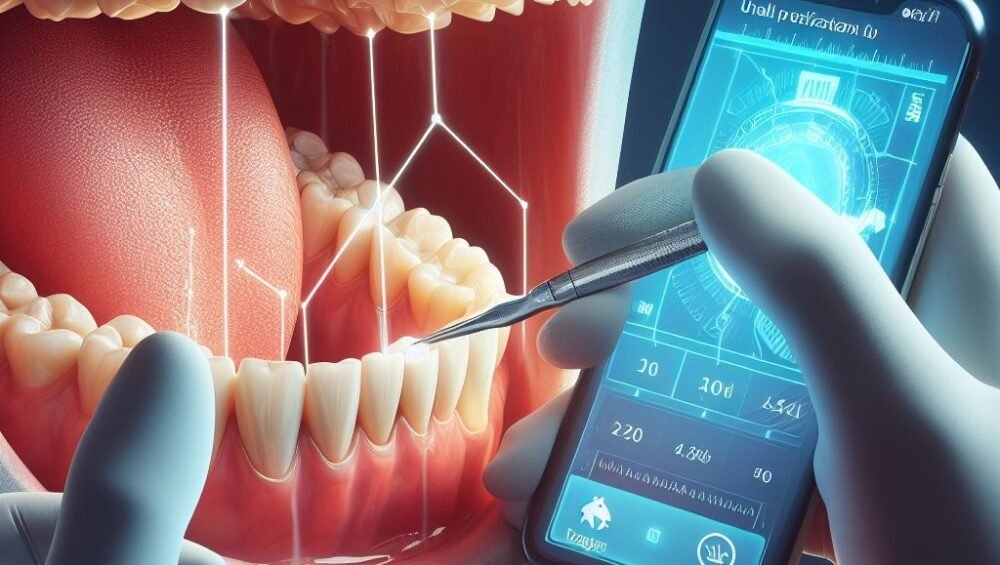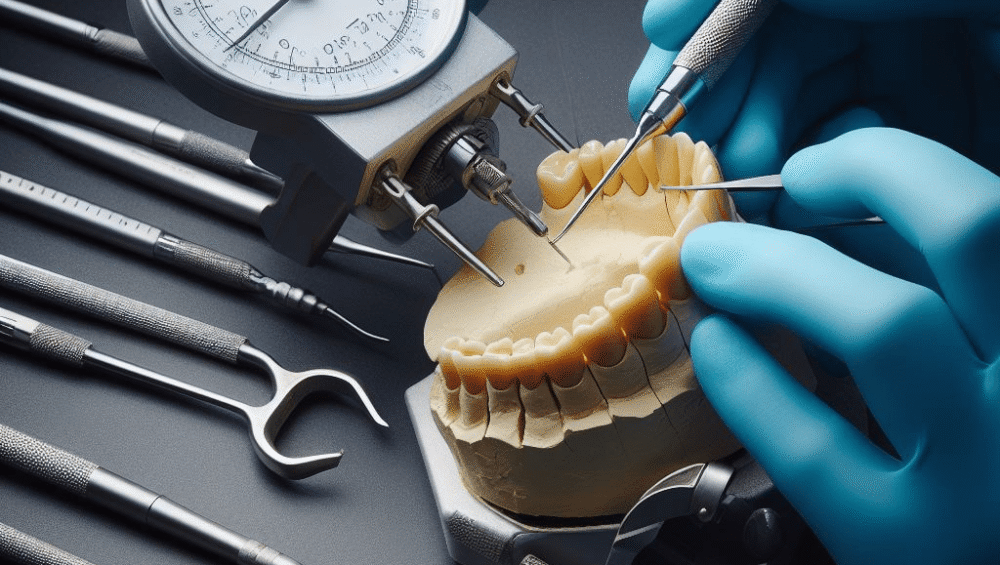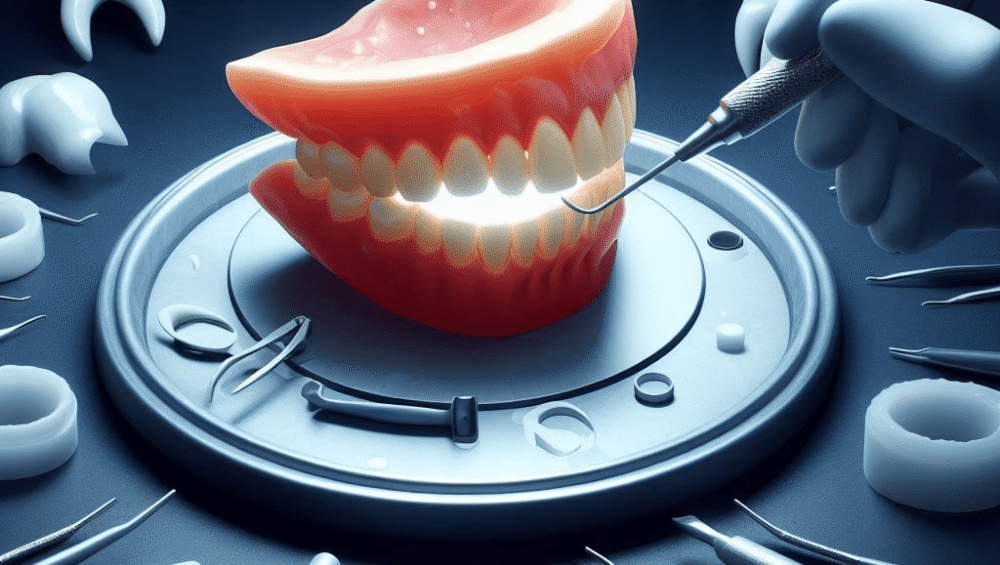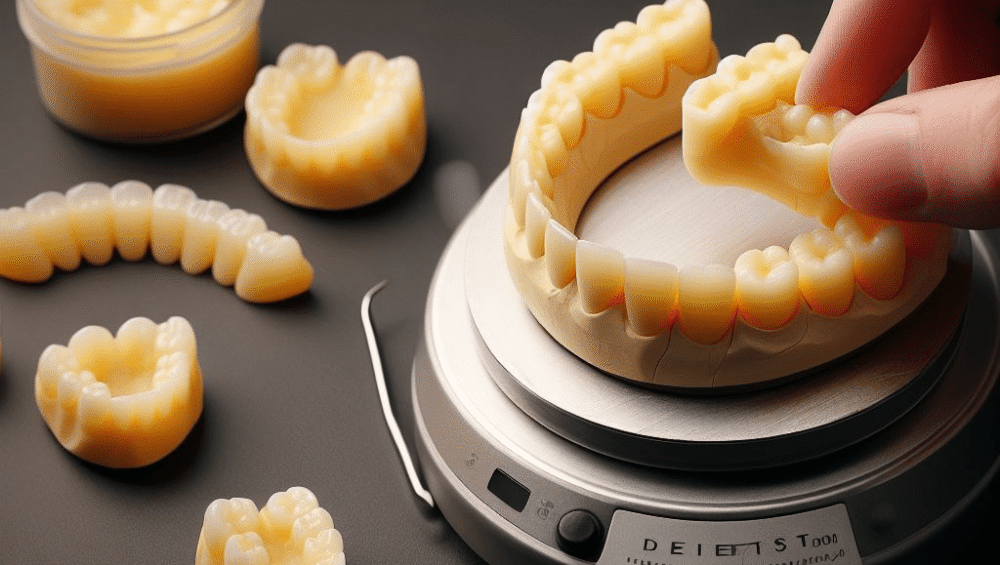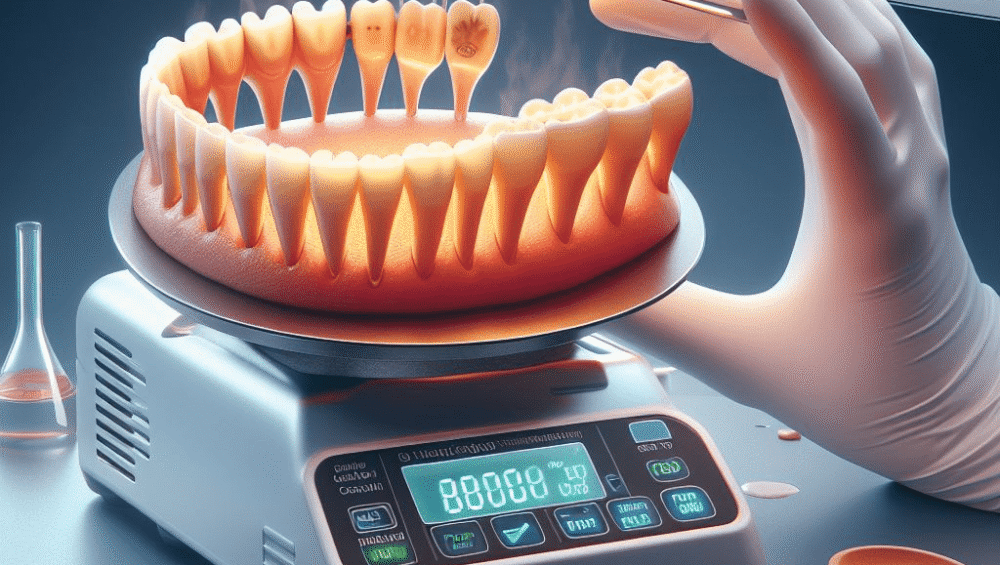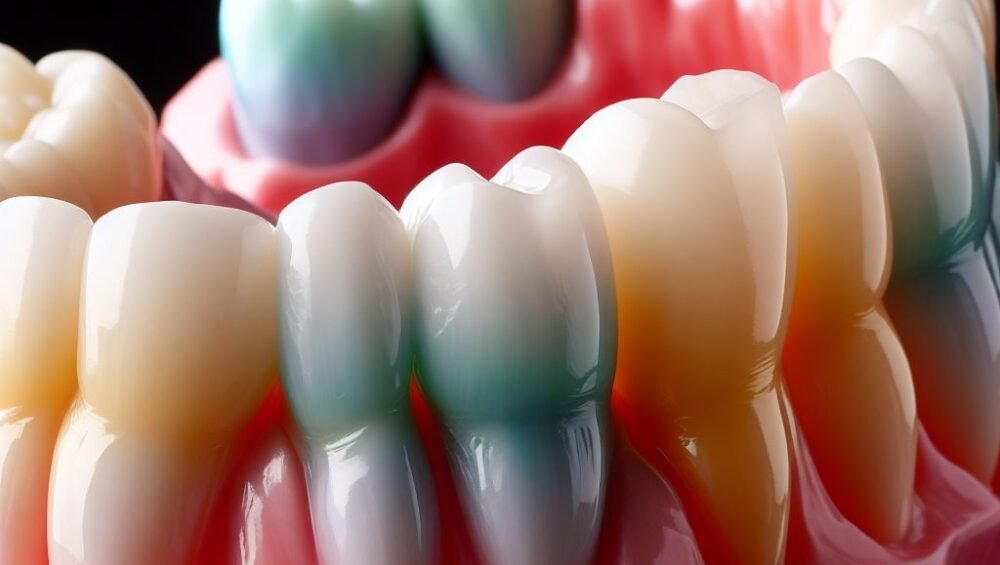
A graphic representation of Principles of Occlusal Plane Design, illustrating dental occlusion principles.CategoriesComplete Dentures

Principles of Occlusal Plane Design

In the sector of dentistry, there may be an important aspect that regularly goes unnoticed but plays a critical function on your typical oral fitness and properly-being. It’s referred to as the occlusal aircraft, and it’s just like the basis of a properly-constructed residence. You may not see it, however it is critical for the entirety to feature nicely.

So, what precisely is the occlusal aircraft, and why must you care approximately it? In this article, we’ll discover the ideas of occlusal plane design in easy language, keeping off complicated jargon. Let’s dive in and find out why this unassuming element of dentistry is so essential in your dental health.

1. What Is the Occlusal Plane?

The occlusal plane is a term utilized in dentistry to explain the level floor in which your top and decrease teeth come into contact while you chunk down or chunk. Think of it as a tabletop in which your teeth meet and have interaction. It might not appear like plenty, however it is crucial for the right feature of your tooth.

2. Why Does the Occlusal Plane Matter?

The occlusal plane topics as it immediately influences the manner you chunk, communicate, and even breathe. When your higher and lower enamel do not meet correctly on this imaginary tabletop, it can cause various dental problems, which includes discomfort, pain, and difficulty in consuming.

An image illustrating the Principles of Occlusal Plane Design, highlighting key dental concepts and techniques.

3. Factors Affecting Occlusal Plane Design

Several elements can influence the design of the occlusal plane, which include the form and length of your enamel, the alignment of your jaw, and your herbal chunk pattern. These factors play a crucial function in creating an occlusal aircraft that fits your precise oral anatomy.

4. Designing the Ideal Occlusal Plane

Creating the perfect occlusal aircraft involves cautious analysis and planning with the aid of a dentist. It need to allow for comfortable and green biting and chewing, selling your overall oral fitness. The layout takes under consideration your particular dental characteristics.

5. The Role of Dentists in Occlusal Plane Design

A diagram showcasing the Principles of Occlusal Plane Design demonstrates the importance of dental occlusion.

Dentists are like architects of your oral health. They play a sizable position in designing and keeping the occlusal plane. Through their information, they make sure that your enamel meet correctly, stopping dental issues and promoting your nicely-being.

6. Common Misconceptions About Occlusal Planes

There are numerous misconceptions approximately occlusal planes. One not unusual fable is that everybody’s occlusal aircraft have to be the identical. In fact, it is a exceptionally personalised component of your dental health, motivated by means of your particular oral anatomy.

7. The Connection Between Occlusal Plane and Bite Alignment

The occlusal plane is closely connected to chew alignment. When your enamel meet effectively in this aircraft, your bite aligns certainly. A nicely-aligned chew is vital for powerful chewing, talking, and retaining wholesome jaw joints.

8. Can You Feel the Occlusal Plane?

While you can not experience the occlusal aircraft immediately, you can revel in its effects. A properly-designed occlusal plane guarantees that your chunk feels comfortable and herbal. You can inform when something’s wrong whilst you enjoy ache or soreness at the same time as chewing.

9. The Importance of Regular Dental Check-ups

Regular dental take a look at-u.S.A.Are vital for preserving the fitness of your occlusal plane. Dentists can screen its circumstance and make vital adjustments to make certain that your bite features efficaciously. Don’t underestimate the importance of these habitual visits.

Conclusion:

In end, the occlusal plane can be an invisible element of dentistry, however its effect on your oral fitness is undeniable. It affects the manner you chew, communicate, or even breathe. Understanding the ideas of occlusal plane layout is essential for appreciating the position it plays on your normal properly-being.

Now which you have a higher understanding of the occlusal aircraft and its importance, keep in mind to prioritize normal dental check-ups. Your dentist is your associate in preserving a properly-designed occlusal plane, making sure that your smile remains healthful and functional.

FAQ's

The occlusal plane’s number one characteristic is to allow your upper and lower enamel to meet and engage correctly, facilitating biting, chewing, and talking.

Yes, an improperly designed occlusal plane can result in pain, pain, and problem in ingesting. It’s important to make sure that your occlusal aircraft is well-designed to avoid those problems.

Dentists recall elements like enamel shape, jaw alignment, and chew sample to create the perfect occlusal plane that suits a affected person’s precise oral anatomy.

You can’t feel the occlusal aircraft without delay, but you could feel its effects. A well-designed occlusal aircraft results in a cushty and natural chunk.

Regular dental test-ups, commonly every six months, are crucial for monitoring the condition of your occlusal aircraft and making important changes to keep its fitness and feature.
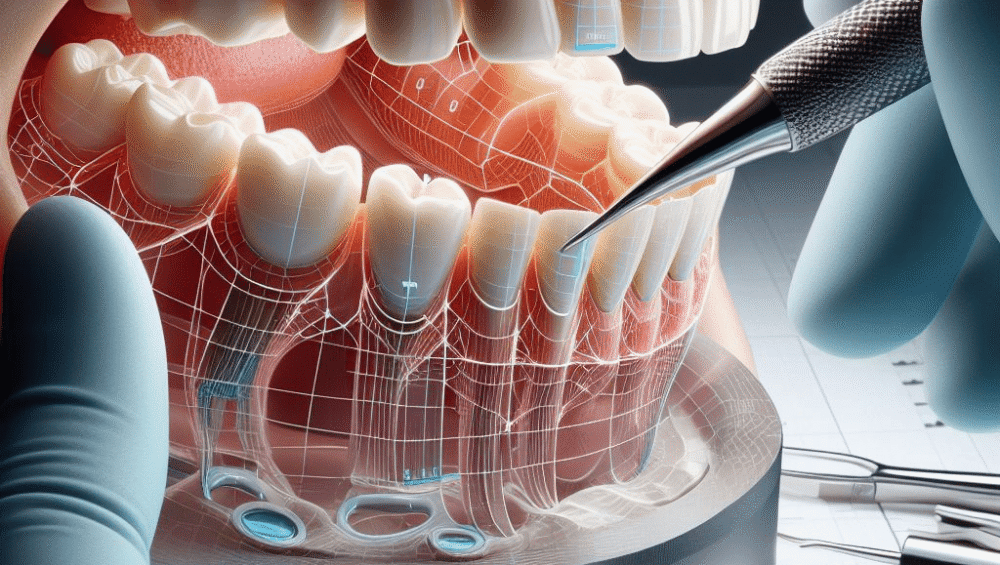
Dental professionals use specialized tools to measure the occlusal plane for precise bite registration.CategoriesComplete Dentures

The Art of Precision: Defining and Locating the Occlusal Plane for Accurate Bite Registration

Introduction:

Precision is the cornerstone of success in the dental sector. Achieving correct chew registration is essential to creating dental prosthetics, ensuring the consolation and feature of a patient’s smile. Central to this manner is the understanding and precise area of the occlusal plane. In this complete article, we can discover the intricacies of defining and locating the occlusal Plane, a crucial element inside the art and technology of dentistry.

The Significance of the Occlusal Plane:

Dentist's hands at work define the occlusal plane for precise bite registration.

The occlusal Plane, frequently called the occlusal reference Plane, is a horizontal imaginary plane that plays a pivotal function in dentistry. It is a reference factor for chew registration, allowing dental experts to record the relationship between the top and decreased jaws appropriately.

A properly defined and effectively positioned occlusal Plane is essential for many dental procedures, including the introduction of dental restorations consisting of crowns, bridges, and dentures. It guarantees that these restorations are designed to appropriately fit the affected person’s bite, promoting consolation and capability.

The Role of the Occlusal Plane:

Precision in Dentistry:

Dentistry is each an artwork and a technological know-how, and precision is at the coronary heart of it. The occlusal plane acts as a manual for dental professionals, letting them appropriately apprehend and replicate the affected person’s natural chew. This precision ensures that dental restorations are seamlessly shaped and offer excellent features.

Ideal Bite Relationship:

The occlusal plane defines the proper chew courting, ensuring that the patient’s higher and lower teeth align harmoniously at some point of biting and chewing. An accurate occlusal plane is a crucial aspect of making restorations that no longer have the most straightforward aesthetically desirable appearance but additionally, feature as supposed.

Defining the Occlusal Plane:

Close-up of occlusal plane measurement in dental practice.

Anatomical Considerations:

Defining the occlusal Plane begins with information on dental anatomy. The Plane itself is imaginary, but its vicinity is decided using the anatomical landmarks of the patient’s mouth. It is vital to consider elements such as the curvature of the dental arches, the tooth’s location, and the jaws’ orientation.

Three Key Reference Points:

In dentistry, 3 primary reference points are used to outline the occlusal plane:

  1.  Incisal Edge: The incisal edges of the anterior enamel (front enamel) function as one reference point. These edges ought to be in alignment, following a mild curve.
  2. Occlusal Surface: The occlusal surfaces of the posterior tooth (again, enamel) additionally define the occlusal plane. These surfaces should preferably form a flat plane.
  3. Furrow of the Buccal Vestibule: The furrow of the buccal vestibule, a shallow groove inside the cheek, is any other reference point. It must align parallel to the ground when the affected person is relaxed and upright.

Precision Tools:

Dental experts use precision gadgets to locate and affirm these reference factors. These gears ensure the occlusal Plane is precisely defined, setting the stage for accurate chew registration.

Locating the Occlusal Plane:

Taking Impressions:

Dental experts often start by taking impressions of the affected person’s dentition to find the occlusal plane. These impressions provide a three-dimensional view of the affected person’s mouth, taking into account detailed analysis.

Articulating Paper:

Articulating paper, a thin and colored paper, marks the contact factors among the top and decreases the tooth. By cautiously reading those marks, dental professionals can verify the place of the occlusal plane and make any necessary modifications.

Face-bow Transfer:

In greater complicated instances, a face-bow transfer can be used. This device provides information on the spatial courting among the upper jaw and the temporomandibular joint. It ensures that the occlusal plane isn’t best described but also positioned as it should be regarding the affected person’s facial shape.

Advantages of a Well-Defined Occlusal Plane:

Enhanced Comfort:

One of the primary benefits of a nicely described occlusal Plane is its enhanced consolation to the patient. Dental restorations that suit the affected person’s herbal chunk promote a snug and pain-loose revel in.

Improved Functionality:

The occlusal Plane is crucial in ensuring proper functionality during biting and chewing. Restorations that align with the occlusal Plane allow for green mastication and speaking.

Aesthetic Benefits:

A properly-defined occlusal Plane also has aesthetic advantages. Restorations that appropriately mimic the affected person’s herbal chew result in a grin that appears and feels entirely natural.

Longevity of Restorations:

Dental restorations that can be created with a well-described occlusal plane generally have a longer lifespan. This reduces the need for joint replacements and related prices.

Conclusion:

In the area of dentistry, the occlusal Plane is an essential concept that underpins the artwork of making dental restorations. It is an invisible manual that permits dental professionals to define and locate the affected person’s herbal chunk as it should be. Understanding and mastering the occlusal Plane is an indicator of first-rate dentistry, ensuring sufferers leave the dental chair with no longer the most compelling and beautiful smile but the most appropriate comfort and feature.

As the field of dentistry continues to evolve, the significance of the occlusal Plane in turning in pinnacle-notch care remains unwavering. The capability to precisely define and find this critical reference point units the level for a lifetime of healthful and satisfied smiles.

FAQ's

The occlusal plane is of utmost importance in dentistry as it serves as a reference point for bite registration, ensuring dental restorations like crowns, bridges, and dentures fit the patient’s bite correctly. This promotes comfort and functionality.

Precision is at the core of dentistry, ensuring that dental restorations are seamlessly shaped and provide optimal function. Defining the occlusal plane with precision is crucial for achieving accurate bite registration.

Three primary reference points define the occlusal plane: the incisal edges of the front teeth, the occlusal surfaces of the posterior teeth, and the furrow of the buccal vestibule. These reference points are crucial for accuracy.

Dental professionals use various methods to locate the occlusal plane, including taking impressions of the patient’s dentition, using articulating paper to mark contact points, and, in more complex cases, employing a face-bow transfer to assess the spatial relationship between the upper jaw and temporomandibular joint.

A well-defined occlusal plane enhances patient comfort, improves functionality during biting and chewing, provides aesthetic benefits, and contributes to the longevity of dental restorations. It ensures that dental work aligns with the patient’s natural bite for a comfortable and long-lasting result.

Close-up of a dental impression for ideal incisal length in bite registration.CategoriesComplete Dentures

Unlocking Precision in Dentistry: Ideal Incisal Length in Bite Registration

Introduction:

Precision is paramount in the complex world of dentistry. Achieving an appropriate chunk registration is a fundamental aspect of creating dental prosthetics, ensuring the consolation and features of an affected person’s smile are consistent. One of the important factors in this process is knowing the best incisal length. This comprehensive article will explore the artwork and technological know-how behind this vital concept, focusing on utilizing the Rim Bite Former Instrument Hot Plate and about Ideal Incisal Length in Bite Registration

The Significance of Incisal Length:

Dental technician perfecting incisal length for accurate bite registration.

The incisal length refers to the size of the incisal fringe of a tooth, which is the part of the teeth that meets its counterpart within the contrary arch through the biting and chewing process. It is critical to achieve the best incisal period because it impacts patients’ ability to bite and speak without problems and delay.

The bite registration system includes recording the patient’s chewing correctly, which is critical for developing dental restorations, crowns, bridges, and dentures. The incisal durion is a factor in this process because it guarantees that the synthetic teeth or restorations align correctly with the affected person’s current dentition.

The Role of Bite Registration:

Precision in Prosthodontics:

In the area of prosthodontics, precision is the gold standard. Dental experts should meticulously document the patient’s bite to create flawless and natural restorations. This is where chew registration comes into play. It involves shooting the connection between the upper and decreased jaws, ensuring that the artificial enamel or restorations are designed to shape the patient’s chunk as it should be.

Importance of Ideal Incisal Length:

The incisal length plays a pivotal position in chunk registration. When the incisal edges of the upper and decreased tooth meet successfully, it allows for a relaxing and helpful chew. If the incisal duration is wrong, it can cause trouble, such as problems in chewing, speaking, or even jaw pain.

Achieving the Perfect Fit:

Dental professionals use diverse strategies and gadgets to gain the appropriate chew. One of the vital pieces of gear in their arsenal is the Rim Bite Former Instrument Hot Plate. This specialized warm plate aids in recording the patient’s chew with precision and accuracy.

Understanding the Rim Bite Former Instrument Hot Plate:

The Hot Plate Technology:

The Rim Bite Former Instrument Hot Plate is a complicated dental device facilitating chew registration. It features a heated surface used to melt and mildew a wax rim. This wax rim represents the destiny enamel and is customized to the affected person’s unique chew necessities.

Customization and Precision:

What sets the Rim Bite Former Instrument Hot Plate apart is its capability to create a custom-in-shape wax rim. The warm plate lets dental specialists mildew the wax rim to the exact specs of the patient’s dentition, consisting of the appropriate incisal length. This level of customization is critical for developing dental restorations that suit seamlessly.

The Wax Rim:

Once molded on the new plate, the wax rim is a template for the final restorations. It captures the affected person’s chew and incisal duration extraordinarily accurately. This guarantees that the artificial tooth, crowns, or dentures will be fabricated to match the affected person’s herbal bite.

The Biting Process:

The affected person is asked to chew into the wax rim molded on the hot plate. This chew registration process statistics the affected person’s precise chew and incisal duration. It is a unique and repeatable approach for shooting the necessary information for prosthodontic paintings.

The Ideal Incisal Length:

Measuring incisal length for precise bite registration in dentistry.

What is the Ideal Length?

The best incisal period can range from one patient to every other. It is determined through the patient’s present dentition, facial aesthetics, and practical necessities. Achieving the ideal incisal duration isn’t always a one-size-fits-all method; it requires careful attention and customization for every patient.

Aesthetic Considerations:

The incisal length also prompts the aesthetics of an affected person’s smile. Dental professionals don’t forget factors, which include lip help and facial proportions while figuring out the suitable incisal duration for each character.

Functional Considerations:

In addition to aesthetics, practical issues are paramount. The incisal length must allow correct biting and chewing, even stopping troubles like over-closure or interference inside the affected person’s chunk.

A Customized Approach:

Dental specialists use the statistics obtained from the chew registration system to reap an appropriate incisal length. This information is then used to customize the dental restorations, ensuring that the incisal edges of the artificial tooth match the patient’s herbal dentition.

Advantages of the Rim Bite Former Instrument Hot Plate:

Precision and Consistency:

One of the number one blessings of using the Rim Bite Former Instrument Hot Plate is the extent of precision and consistency it offers. The hot plate permits the advent of especially correct wax rims, which are the inspiration for creating dental restorations with excellent health.

Time Efficiency:

The hot plate streamlines the chew registration procedure, saving precious time for each dental expert and the affected person. The ability to quickly create custom-suit wax rims is a vast time-saving characteristic.

Patient Comfort:

Recording the affected person’s bite and using the hot plate is relaxing and non-invasive. Patients can rest assured that their chunk is being captured with minimum discomfort.

Enhanced Patient Satisfaction:

Using the Rim Bite Former Instrument Hot Plate results in more advantageous patient pride. Restorations that are in shape nicely and provide a natural chunk result in happier sufferers.

Dental professional examining incisal length in the bite registration process.

Conclusion:

“In the realm of dentistry, achieving the ideal incisal length in bite registration is both an art and a science. It demands precision, customization, and the use of essential tools such, as the Rim Bite Former Instrument Hot Plate. Understanding the pivotal role of incisal length in the bite registration process is paramount in providing top-tier dental care. With the right techniques and equipment, dental professionals can craft restorations that not only look aesthetically pleasing but also seamlessly blend with a patient’s natural dentition.

As the field of dentistry continues to evolve, the Rim Bite Former Instrument Hot Plate remains a valuable asset, ensuring that patients leave the dental chair with a smile that is not only beautiful but also functions perfectly. Welcome to the world of ‘Ideal Incisal Length in Bite Registration,’ where precision and patient satisfaction are at the forefront of dental excellence.”

FAQ's

The incisal length in bite registration is crucial in achieving accurate dental restorations that blend seamlessly with a patient’s natural teeth. It is essential for both aesthetics and functionality.

Achieving the ideal incisal length involves using precise techniques and tools like the Rim Bite Former Instrument Hot Plate. These methods are essential for crafting restorations that meet patient expectations.

Precision is vital in dentistry to ensure that dental restorations are not only aesthetically pleasing but also functional. Achieving the ideal incisal length contributes to a patient’s overall satisfaction.

The Rim Bite Former Instrument Hot Plate is a valuable tool in dentistry that helps achieve the ideal incisal length. It plays a significant role in crafting restorations that meet the highest quality standards.

Emphasizing the ideal incisal length benefits patients by providing them with restorations that not only look great but also function flawlessly. It ensures dental professionals can deliver top-tier dental care and achieve patient satisfaction.

Image illustrating a dental technician using a waxing spatula.CategoriesComplete Dentures

Mastering Precision in Dentistry: The Instrument for Tapering and Wax Melting

Precision is paramount when it involves the art and technology of dentistry. Dentists and dental technicians work diligently to craft dental prosthetics and restorations with the utmost accuracy, ensuring the comfort and delight of their sufferers. Among the many tools in their arsenal, one essential tool is pivotal in reaching this precision – the waxing spatula or carver. This article will delve into the world of dental instruments, focusing on the importance of a waxing spatula for tapering and wax melting at a detailed height.

Understanding the Waxing Spatula:

Image showing a dental waxing spatula and dental instruments

Dental waxing spatulas are versatile equipment utilized in various dentistry components, prosthodontics, and orthodontics. They are designed to shape, mildew, and carve wax, which is essential in introducing dental appliances consisting of crowns, bridges, and dentures. The waxing spatula’s primary purpose is to create specific contours and tapers within the wax pattern at unique heights, ensuring that the last recovery fits perfectly in the patient’s mouth.

The Anatomy of a Waxing Spatula:

An ordinary waxing spatula consists of numerous vital components:

1. Handle:

The spatula is commonly made of chrome steel or some other durable fabric. It affords a snug grip for the dental technician, considering precise management throughout the waxing manner.

2. Blade:

The blade of the spatula is the operating give-up. It is available in diverse shapes and sizes, each designed for specific tasks. The edge is typically fabricated from chrome steel and is pretty skinny to permit detailed carving and shaping of the wax.

3. Spatula Tip:

The tip of the spatula is frequently rounded and can be flat or angled. The spatula tip is used to sculpt the wax, create tapers, and ensure that the wax patterns agree with the patient’s oral anatomy.

The Role of a Waxing Spatula in Dentistry:

Dental technicians and prosthodontists use waxing spatulas for various critical duties:

Image showing a dental technician working with a waxing spatula and wax

1. Creating Anatomical Details:

One of the primary features of a waxing spatula is to add anatomical information to wax styles. This can include shaping crowns’ occlusal surfaces or enamel’s cusp angles in dentures. This info is critical for correct characteristics and aesthetics.

2. Tapering:

Tapering is an essential issue of wax sample advent. The waxing spatula creates gradual inclines or tapers inside the wax. Tapered surfaces are critical for allowing the restoration to match seamlessly inside the affected person’s mouth.

3. Carving:

The exceptional blade of the spatula allows for complicated wax carving. This is especially vital for creating herbal-looking fissures, grooves, and textures on the teeth surfaces.

4. Adjustments:

Dental technicians use waxing spatulas to adjust the wax pattern as needed. These modifications ensure that the last restoration is a precise suit for the patient.

Tapering and Wax Melting Process:

a. Enhanced Comfort:

Parallel melting of maxillary and mandibular rims results in dentures that fit easily in the affected person’s mouth. The specific alignment eliminates strain factors and sore spots, enhancing the general reveal for the wearer.

b. Improved Stability:

Properly aligned dentures are extra solid for the duration of rumination and talking. This balance is particularly critical for patients who’ve struggled with loose or sick-fitting dentures in the beyond.

c. Natural Appearance:

Parallel melting also contributes to a natural appearance. When the dentures take a seat ideally in alignment with the patient’s oral anatomy, they appear and experience like natural teeth, supplying a full-size self-assurance raise for the wearer.

d. Longevity of Dentures:

Dentures that have gone through parallel melting tend to have an extended lifespan. The unique alignment reduces wear and tear, making them more excellent, long-lasting, and cost-effective for the affected person.

e. Patient Satisfaction:

Above all, parallel melting results in multiplied affected person satisfaction. Happy patients are more likely to propose your offerings and go back for observe-up care; that’s a win-win for each practitioner and the affected person.

4. Choosing the Right Technique:

The method of tapering and wax melting entails numerous steps:

Image featuring a close-up of a dental waxing spatula

1. Preparation:

 The dental technician begins by preparing the wax material, which is usually inside the shape of sheets or blocks. The wax is softened, making it malleable for shaping.

2. Shaping:

Using the waxing spatula, the technician carefully shapes the wax, creating the necessary contours and tapers. This step calls for precision and interest in detail.

3. Tapering:

Tapering is accomplished by simply lowering the wax’s thickness in precise areas, developing the desired inclines.

4. Wax Melting:

A controlled wax melting method may be essential in a few instances. This is achieved by fusing exclusive wax sample sections or creating specific textures and transitions.

5. Quality Check:

After tapering and wax melting, an intensive acceptable check is achieved to ensure that the wax sample meets the essential specs and fits the patient’s requirements.

Advantages of Using a Waxing Spatula:

The use of a waxing spatula in dentistry offers numerous blessings:

1. Precision:

Waxing spatulas permit unique shaping and tapering, ensuring that the final healing suits appropriately.

2. Customization:

Technicians can personalize wax styles to match the specific necessities of every affected person.

3. Efficiency:

These tools streamline the wax sculpting procedure, saving time and effort.

4. Consistency:

Waxing spatulas assist in maintaining consistency within the satisfactory dental restorations.

5. Patient Satisfaction:

 Accurate wax styles result in a snug and aesthetically attractive final restorations, resulting in glad sufferers.

Conclusion:

In dentistry, the waxing spatula is critical in reaching precision and excellence. It is an essential device for creating wax patterns that shape the idea of dental prosthetics, ensuring that patients get hold of comfortable and purposeful restorations. As dentistry continues to conform, the importance of instruments just like the waxing spatula in delivering top-notch care stays unwavering. So, the next time you are inside the dentist’s chair, consider the skillful use of a waxing spatula at the back of the one impeccable dental restoration.

In the palms of a professional dental technician, a waxing spatula transforms easy wax into artwork.

FAQ's

A waxing spatula is a crucial tool in dentistry used for shaping, molding, and carving wax. It plays a significant role in creating dental appliances and ensuring precise contours and tapers for a proper fit.

A waxing spatula is essential for achieving precision and excellence in dental prosthetics and creating accurate and comfortable dental restorations.

A waxing spatula typically includes a handle, blade, and spatula tip. The handle provides control; the blade carves and shapes wax, and the spatula tip sculpts the resin for anatomical accuracy.

Using a waxing spatula provides benefits such as precision in shaping and tapering, customization for individual patient needs, efficiency in the sculpting process, and consistent, aesthetically pleasing dental restorations.

Tapering and wax melting are integral steps in dental work, ensuring that dental restorations fit seamlessly in a patient’s mouth. These processes help create accurate inclines and textures for comfortable and functional results.

Dentist Crafting Maxillary and Mandibular RimsCategoriesComplete Dentures

The Art of Achieving Parallel Melting of Maxillary and Mandibular Rims

Introduction:

Precision is the name of the game when it involves the dentistry sector. Dental practitioners are constantly searching for approaches to enhance their techniques and gear for the gain of their sufferers. One vital factor of dentistry is reaching parallel melting of maxillary and mandibular rims. This article can delve into dental units, techniques, and the art of accomplishing parallel melting for the perfect suit

Understanding the Importance of Parallel Melting:

Before diving into the devices and techniques that allow for parallel melting of maxillary and mandibular rims, we can apprehend why this is vital. The maxillary and mandibular boundaries are necessary additives of dentures, and their specific alignment is essential for a snug, healthy, and herbal appearance. When those rims aren’t parallel, it can result in pain, instability, and a less-than-aesthetically pleasing smile.

The Conventional Challenge:

Traditionally, attaining parallel melting has been a challenging venture. Dentists and dental technicians needed to depend on their skill and craftsmanship to painstakingly mildew and regulate the rims. This manner changed into time-ingesting and frequently brought about suboptimal effects. However, present-day dentistry has brought forth innovative answers that make the process extra green and precise.

The Role of Specialized Instruments:

One of the essential elements in achieving parallel melting of maxillary and mandibular rims is the use of specialized devices. These instruments are designed to facilitate the alignment and parallelism of the rims, making the job of the dental practitioner an awful lot more practicable. Let’s take a closer look at those gadgets and how they work.

Maxillary and Mandibular Rim Molding

1. The Parallel Melting Instruments:

a. Innovative Rim Parallelizes:

The dental generation has given birth to several modern rim parallelizers in recent years. These gadgets are crafted to ensure the maxillary and mandibular rims soften in parallel. They are clean to apply and notably reduce the margin of error within the molding technique.These parallelizers, some of which are handheld, are available in numerous bureaucracies, while others are designed to be connected to dental chairs for added comfort. They use present-day materials and mechanics to guarantee a precise alignment of the rims, which is a game-changer for dental practitioners.

b. Precision Heat Guns:

Another vital instrument in accomplishing parallel melting is the precision heat gun. These warmness guns are engineered to emit a regular and managed heat supply, taking into account unique adjustments of the edges. They are prepared with temperature controls and fine-tipped nozzles, enabling the practitioner to direct the heat precisely in which it is wanted.Precision warmth weapons ensure the melting system is uniform and controlled, resulting in perfectly parallel rims. This device is a real innovation inside international dentistry, streamlining a meticulous mission.

c. Digital Scanners and CAD/CAM Technology:

The advent of digital generation has revolutionized the dental industry. Digital scanners, laptop-aided layouts, and computer-aided manufacturing (CAD/CAM) era have become essential tools for parallel melting of maxillary and mandibular rims.

Digital scanners create precise 3-D models of the patient’s mouth, allowing for accurate measurements and modifications. CAD/CAM generation then translates these measurements into custom-fabricated rims. The precision of this system is unheard of and ensures parallel melting according to the affected person’s unique oral anatomy.

d. Laser Denture Welding:

Laser denture welding is an effective device for parallel melting in the most advanced cases. This present-day generation employs laser beams to fuse the denture base materials, resulting in an exceptionally sturdy bond—the controlled nature of the laser guarantees that the rims align flawlessly, with no room for errors.

Laser denture welding is a recreation-changer for complex instances in which precision and strength are highly significant. It has opened new opportunities in dentistry, allowing practitioners to cater to a broader variety of sufferers with numerous desires.

e. Ultrasonic Cleaners:

In the publish-melting section, ultrasonic cleaners play a pivotal position. These devices use high-frequency sound waves to smooth and dispose of any residues from the dentures. Proper cleansing is vital to keep the parallel melting method’s integrity and ensure the dentures’ longevity.

2. Techniques for Achieving Parallel Melting:

a. The Art of Preparation:

Achieving parallel melting starts offevolved with meticulous preparation. Before any instrument is used, it is crucial to assess the affected person’s oral anatomy and the particular requirements of the case. This instruction entails taking impressions and ensuring that the denture base substances are prepared for the melting process.

b. Precise Placement:

The placement of the edges is a sensitive technique. With the resource of specialized contraptions, the practitioner must ensure that the maxillary and mandibular rims are aligned correctly. This step is crucial to accomplishing parallel melting and inspires the complete system.

c. Controlled Melting:

Once the edges are precisely located, the managed melting segment starts. Whether using a precision heat gun or laser denture welding, the practitioner has to work with excessive care and precision. The secret is to use warmness uniformly and inside the right areas, ensuring the edges melt in ideal alignment.

d. Post-Melting Quality Check:

A radical, exceptional look at the melting is essential after the melting is whole. This involves inspecting the dentures to ensure they meet the parallelism requirements. Any minor changes may be made at this degree to provide an ideal fit.

e. Patient Comfort and Satisfaction:

The closing purpose of attaining parallel melting is to offer the patient a relaxing and aesthetically alluring denture. The practitioner must ensure the patient is satisfied with the fit and aesthetics. This step regularly entails minor changes and nice-tuning.

Prosthodontic Rim Formation

3. Advantages of Parallel Melting:

a. Enhanced Comfort:

Customized Parallel melting of maxillary and mandibular rims results in dentures that fit easily in the affected person’s mouth. The specific alignment eliminates strain factors and sore spots, enhancing the general reveal for the wearer.

b. Improved Stability:

Properly aligned dentures are extra solid for the duration of rumination and talking. This balance is particularly critical for patients who’ve struggled with loose or sick-fitting dentures in the beyond.

c. Natural Appearance:

Parallel melting also contributes to a natural appearance. When the dentures take a seat ideally in alignment with the patient’s oral anatomy, they appear and experience like natural teeth, supplying a full-size self-assurance raise for the wearer.

d. Longevity of Dentures:

Dentures that have gone through parallel melting tend to have an extended lifespan. The unique alignment reduces wear and tear, making them more excellent, long-lasting, and cost-effective for the affected person.

e. Patient Satisfaction:

Above all, parallel melting results in multiplied affected person satisfaction. Happy patients are more likely to propose your offerings and go back for observe-up care; that’s a win-win for each practitioner and the affected person.

4. Choosing the Right Technique:

a. Tailoring the Approach:

The choice of technique for reaching parallel melting relies on the unique case and the practitioner’s options. Some instances may benefit from laser denture welding, while others may additionally require the precision of the CAD/CAM era. The key is to tailor the approach to the affected person’s desires.

b. Staying Updated:

Dentistry is an ever-evolving discipline. Practitioners must stay updated on the state-of-the-art units and strategies to provide first-rate care. Attending, persevering with school publications, and keeping open thoughts towards innovation are essential.

c. Collaboration:

Collaboration between the dentist and dental technician is crucial for achieving parallel melting. Clear conversation and sharing insights and remarks result in satisfactory possible results.

d. Patient Education:

Lastly, educating the patient on the procedure and the blessings of parallel melting is vital. Informed patients are more likely to realize the care and precision that goes into developing their dentures.

Parallel Melting in Dentistry

Conclusion:

In dentistry, accomplishing parallel melting of maxillary and mandibular rims is an artwork and a technology. With the right gadgets and strategies, practitioners can offer their sufferers dentures that might appear snug, solid, and natural. This effectively complements the affected person’s pride and solidifies the practitioner’s reputation in the field. As the era keeps increasing, the possibilities for accomplishing parallel melting will rapidly become bigger, opening new doors for dentistry.

FAQ's

Understanding the importance of parallel melting is fundamental to ensuring the effectiveness and comfort of dental prosthetics.

Dental professionals need to know the techniques and materials required for achieving parallel melting.

Understanding the role of professional guidance and expertise in achieving the best results is critical for those considering this process.

Recognizing and addressing challenges during the process is critical to achieving accurate parallel melting.

Understanding the impact of parallel melting on patient comfort, stability, and oral health is crucial for dental professionals and patients.


Creating Wax WallsCategoriesComplete Dentures

The Role of Wax Walls in Bite Registration: The Wax Wall – Its Importance and Creation

Dentistry is a mixture of technology and craftsmanship, with chew registration an essential element of the system. Among the vital aspects that make specific, accurate chew registration, the introduction of wax walls plays a pivotal function. In this text, we delve into the world of wax walls, their importance, and how they’re meticulously crafted to ensure precision in chew registration.

Introduction:

The world of dentistry revolves around precision, and bite registration is at the core of this precision. It is a manner that demands meticulous attention to detail, and the creation of wax walls plays a critical role in achieving it.

Understanding the Role of Wax Walls:

Before we explore the advent of wax walls, we must recognize their significance in dental tactics. Wax walls act as limitations that assist in creating an area for the registration material, ensuring an accurate influence of a patient’s bite. They are vital in attaining centric relations and providing that the ensuing dental restorations are cozy and purposeful.

Bite Registration Technique

Significance of Wax Walls:

Wax partitions are the inspiration upon which precise bite registration is constructed. They define the vertical measurement, centric relation, and the contours of the very last recovery. The correct creation of wax partitions is essential for the success of any dental procedure that entails chunk registration.

The Art of Creating Wax Walls:

Creating wax partitions is a meticulous and precise procedure. It entails deciding on the best materials and molds to craft those boundaries to outline the chew registration. Dental professionals must ensure that the wax walls are of the proper thickness and nicely tailored to the patient’s oral anatomy.

How Wax Walls Ensure Accurate Bite Registration:

The importance of wax partitions will become obtrusive during the bite registration procedure. When the registration material is placed among these limitations, it ensures a correct effect of the patient’s chew in centric relation. This accuracy is vital for the success of dental restorations and the patient’s overall comfort.

Dental Prosthodontics

Challenges and Solutions:

As with any dental procedure, creating wax partitions and acting chunk registration may present demanding situations. Variations in patient anatomy and particular requirements can pose difficulties. However, with enjoyment and understanding, dental specialists can deal with these challenges successfully.

Conclusion:

In the end, the creation of wax partitions is an essential element within the process of achieving accurate bite registration in dentistry. The meticulous crafting of these barriers guarantees that centric relations and the affected person’s comfort are prioritized, leading to successful dental restorations.

FAQ's

Wax partitions act as boundaries that create space for the registration fabric, ensuring an accurate effect of the patient’s bite in centric relation.

Wax partitions define the vertical dimension, centric relation, and the contours of the final dental restoration, ensuring patient consolation and functionality.

Creating wax walls includes selecting the perfect substances and molds to craft limitations that correctly define the bite registration.

Challenges may encompass versions of the affected person’s anatomy and particular necessities. These can be addressed correctly with revel in and understanding.

Wax walls create the essential space for registration material, ensuring a correct effect of the patient’s bite in centric relation, which is necessary to fulfill dental restorations.

Dentist Fine-Tuning Wax RimsCategoriesComplete Dentures

Art of Adjusting Wax Rims: Unveiling the Secrets of Ideal Wax Rim Thickness

Dentistry is a unique blend of science and artistry, where precision is paramount. In creating whole dentures, the adjustment of wax rims is vital to patient consolation and satisfaction. This article delves into the intricacies of changing wax rims as needed and the critical factors that decide the correct wax rim thickness.

Introduction:

The craft of dentistry is about more than simply technological know-how; it’s an art shape. Creating entire dentures that provide each aesthetic and capability is a testimony to this artistry. At the heart of this method is the adjustment of wax rims, in which the perfect thickness plays a pivotal position.

Precision Wax Rim Adjustment

The Significance of Wax Rims

Wax rims are the unsung heroes of entire dentures. They function as the foundation, dictating the patient’s vertical measurement, centric relation, and lip support. Fulfilling natural dentures hinges on the suitable adjustment of these wax rims.

Adjusting Wax Rims: The Art of Customization:

The technique of changing wax rims is a sensitive art that calls for both talent and precision. Dentists carefully examine the affected person’s bite, speech, and everyday comfort to make significant changes. These modifications are essential to making sure the appropriate suit.

Deciphering the Ideal Wax Rim Thickness:

One of the number one factors in adjusting wax rims is determining the best thickness. This choice is inspired by various factors, including the affected person’s anatomy, oral health, and aesthetic preferences. Achieving the right consistency is high-quality stability.

Mastering the Techniques:

Achieving the right wax rim thickness entails mastering numerous strategies. Dentists want to understand the technological know-how behind bite registration and occlusion while concurrently appreciating the art of herbal aesthetics.

Wax Rim Thickness Secrets

Overcoming Common Challenges:

Like any artwork shape, the adjustment of wax rims is challenging. Patient versions and specific necessities can present barriers. Dentists rely on their understanding to overcome those challenges and deliver the choicest consequences.

Conclusion:

In the sector of complete dentures, adjusting wax rims is where the artistry of dentistry shines. Mastering the right wax rim thickness is a professional dentist’s hallmark, in which science and aesthetics unite to create a snug and herbal-searching smile.

FAQ's

Wax rims inspire entire dentures, figuring out the patient’s vertical dimension, centric relation, and lip guide.

Dentists compare the affected person’s bite, speech, and typical consolation, making essential adjustments to the wax rims.

Several elements, including affected person anatomy, oral health, and aesthetic alternatives, affect the selection of the best wax rim thickness.

Dentists want to grasp chunk registration and occlusion techniques while appreciating the art of herbal aesthetics to acquire the best wax rim thickness.

Common challenges consist of patient versions and specific necessities, which require the dentist’s know-how to overcome and obtain ultimate effects.

Prosthodontic procedure with the hot plate.CategoriesComplete Dentures

Wax Rims for Complete Dentures: Crafting and Customization with Rim Former Hot Plate

Dentistry is a delicate balance between science and artistry, where precision is critical to success. In complete dentures, the crafting and customization of wax rims are pivotal in ensuring a comfortable and fully functional fit for patients. This article delves into crafting and customizing wax rims using an edge former hot plate, shedding light on the intricate artistry that underlies complete dentures.

Introduction:

The art of dentistry involves creating dentures that look natural and provide optimal function. The initial step in this artistic process is crafting wax rims, which serve as the foundation for the final dentures. These rims are painstakingly shaped to replicate a patient’s natural bite.

The Significance of Wax Rims:

Dentist crafting wax rims.

Wax rims are the building blocks on which complete dentures are constructed. They dictate the patient’s vertical dimension, centric relation, and lip support. The accurate crafting and customization of wax rims are indispensable for the successful creation of complete dentures.

Crafting Custom Wax Rims:

The creation of custom wax rims is a meticulous and multi-step procedure. It involves taking impressions, selecting appropriate molds, and sculpting the wax rims to match the patient’s unique oral structure. This phase lays the groundwork for the entire denture production process.

The Crucial Role of the Rim Former Hot Plate:

The former rim hot plate is a crucial instrument in crafting wax rims. This device enables the softening and shaping of wax, guaranteeing that the rims conform precisely to the patient’s specifications. Temperature control and the heating surface area of the hot plate are critical elements in achieving precision.

Customizing denture wax rims

Tailoring Wax Rims for Maximum Comfort:

After the initial wax rims are crafted, it is imperative to tailor them to ensure optimal comfort and functionality. Dentists carefully assess the patient’s bite, speech, and overall comfort to make necessary adjustments.

Overcoming Common Challenges:

The process of crafting and customizing wax rims has its challenges. Variations in patient anatomy and unique requirements can present difficulties. Dentists draw upon their expertise to address these challenges effectively.

Rim Former Hot Plate in action.

Conclusion:

In the realm of complete dentures, creating and customizing wax rims are foundational steps in ensuring patient satisfaction and well-being. Utilizing an  rimformer hot plate in the crafting process exemplifies the precision and artistry demanded by dentistry.

FAQ's

Custom wax rims form the basis for crafting complete dentures, dictating the patient’s vertical dimension, centric relation, and lip support.

A rim former hot plate facilitates the softening and shaping of wax, ensuring the rims conform precisely to the patient’s specifications.

Dentists assess the patient’s bite, speech, and overall comfort to make necessary adjustments to the wax rims

Common challenges may include variations in patient anatomy and unique requirements, which require the dentist’s expertise to address effectively.

Accurately crafted wax rims are vital as they provide the foundation for creating dentures that offer both natural aesthetics and optimal functionality for the patient.

Dental Lab EquipmentCategoriesComplete Dentures

Selecting the Right Laboratory Rim Former Hot Plate for Tuber Tapers and Accurate Bite Registration

Dentistry is a problematic blend of artwork and precision, in which each step performs a vital role in ensuring the patient’s well-being. One such important step is the cautious choice of a laboratory rim former warm plate. This choice, without delay, affects the accuracy of chunk registration, a cornerstone in creating meticulous dental restorations.

This article delves into the laboratory rim former warm plates sector, with a selected focus on those designed for use with tube tapers. Understanding the importance of this preference and the pivotal position these hot plates play in achieving precise bite registration is imperative for dental specialists.

Introduction:

Precision is at the heart of dentistry, and chunk registration lies in its middle. This method demands unwavering accuracy, and the laboratory rim former hot plate is significant in accomplishing it. The choice of this hot plate is a choice no longer to be taken lightly.

The Role of Rim Formers:

Before delving into the realm of laboratory warm plates, it’s essential to grasp the function of rim formers in dental tactics. Rim formers are specialized devices hired to craft wax rims, a crucial aspect of bite registration. These rims faithfully replicate a patient’s natural bite and offer a solid basis for correct information.

Prosthodontics Equipment

Significance of Laboratory Hot Plates:

Laboratory warm plates are crucial tools in the creation of wax rims. They excel in the artwork of softening and shaping wax into the favored shape, facilitating unique bite registration. The significance of those warm plates can not be overstated.

The Synergy of Tuber Tapers:

The tuber taper is a vital instrument in the dental profession. They elevate the precision of bite registration by enabling dentists to sculpt wax rims with fantastic accuracy. The synergy among Tuber Tapers and laboratory rim former hot plates is instrumental in accomplishing correct chunk records.

Selecting the Ideal Laboratory Rim Former Hot Plate:

Dentist's Equipment Selection

Not all laboratory rim former warm plates are created identically, and deciding on the right one in your practice is paramount. Dentists should remember various factors, along with temperature manipulation, heating floor place, and general layout, as those factors immediately impact the benefit and accuracy of bite registration.

Ensuring Precision in Bite Registration:

The final goal in chew registration is to capture a patient’s natural chew faithfully. The laboratory rim former warm plate performs an enormous role in this system. When used successfully, it guarantees that the wax rims carefully emulate the affected person’s natural chew, supplying a reliable basis for correct facts.

Overcoming Common Challenges:

Like any dental procedure, demanding situations may stand up in the course of bite registration. These challenges can consist of variations in the affected person’s anatomy or problems in accomplishing the favored dimensions of the wax rims. Nevertheless, with experience and know-how, those challenges may be efficaciously addressed.

Tuber Tapers and Hot Plate

Conclusion:

In conclusion, choosing a laboratory rim former warm plate is a pivotal decision toward correct chunk registration and, consequently, the advent of precise dental restorations. Dental practitioners must know the significance of this preference and its profound impact on patient comfort and the overall fulfillment of dental approaches

FAQ's

The number one characteristic of a laboratory rim former hot plate is to soften and form wax rims, facilitating specific bite registration.

Tuber taper empowers dentists to meticulously sculpt wax rims, ensuring a near resemblance to the affected person’s herbal chew.

Dentists should weigh factors including temperature control, heating floor area, and typical design when deciding on a laboratory hot plate for accurate bite registration.

Common challenges may additionally encompass versions in patient anatomy and problems in accomplishing the favored dimensions of wax rims. Dentists can cope with these demanding situations via their revel in and expertise.

Accurate bite registration forms the muse for precise dental restorations, ensuring the affected person’s comfort and the general achievement of dental techniques.

Dentist using Tuber TapersCategoriesComplete Dentures

How to Use Tuber Tapers to Create Parallel Wax Rims

Dentistry is an artwork that combines precision, craftsmanship, and interest in detail. Creating dental restorations that are healthy seamlessly with a patient’s herbal bite is no small feat, and at the heart of this process lies the creation of parallel wax rims. These wax rims are the muse for correct bite registration, ensuring that prosthetic devices align perfectly with the patient’s bite.

In this article, we will explore the method of using Tuber Tapers to create parallel wax rims and delve into the importance of this technique in restorative dentistry. We’ll provide insights into the gear and materials required, a step-through-step manual to the method, suggestions for ensuring precision, and answers to demanding everyday situations that may stand out.


Let’s embark on the adventure of information on creating parallel wax rims and how they contribute to successful dental restorations.

Introduction:

Wax rims are essential to numerous dental methods for correct chunk registration. Parallel wax rims, especially, play a pivotal position in this method. They ensure that dental restorations, along with dentures and prosthetic devices, align flawlessly with a patient’s herbal bite, stopping soreness and headaches.

Understanding Wax Rims:

Before diving into the specifics of making parallel wax rims, let’s take a moment to recognize what they are and their position in dental tactics.

Wax rims are custom-made additives that reflect an affected person’s destiny in dental healing. They are meticulously designed to mimic the patient’s natural bite, supplying a stable platform for recording the proper relationship between the top and decreased jaws. This accuracy is paramount, as it influences the success of diverse dental remedies.

Dental Prosthesis Fabrication

The Significance of Parallel Wax Rims:

Not all wax rims are created identically. Parallel wax rims preserve an excellent and consistent alignment and are essential for correct chunk registration. These rims are critical in accomplishing precise chew statistics, ensuring that dental restorations are relaxing and completely functional.

Tools and Materials Needed:

Using Tuber Tapers, specific tools, and materials is vital to creating parallel wax rims. Here’s a comprehensive list of what you may need:

  • Tuber Tapers
  • Wax sheets or blocks
  • A heating device
  • Calipers
  • Spatula
  • Flask

These materials are the building blocks for growing wax rims that are parallel and accurate.

Step-by-Step Guide to Using Tuber Tapers:

Tuber Tapers in Dentistry

Creating parallel wax rims and using tube taper requires a scientific approach. Let’s destroy down the technique into clear, clean-to-comply steps:

1. Preparing the wax:

Start by making the wax sheets or blocks ready. Soften them with a heating device to make them pliable.

2. Measuring Dimensions:

Use calipers to determine the size of the patient’s mouth, which includes arch width and peak.

3. Creating the Base Plate:

Start growing a base plate with the softened wax. This base plate serves as the foundation for the wax rims.

4. Using Tuber Tapers:

With the Tuber Tapers, form the wax rims to duplicate the affected person’s natural chew. The tapers allow for precise adjustments.

5. Ensuring Parallel Alignment:

Confirm that the wax rims keep a parallel alignment, critical for bite registration accuracy.

6. Finalizing the Wax Rims:

Once the edges are accurate and parallel, stabilize them in a flask for the final processing stage.

7. Heating for Stability:

The rims are concerned with a final processing degree, which may contain further heating to ensure balance and accuracy.

Ensuring Precision:

The accuracy of custom wax rims can’t be overstated. Precision in creating these rims is essential to the overall success of dental restorations. When the rims appropriately mirror the patient’s herbal chew, the following steps in restorative dentistry, which include chew registration, end up extra truthful.

The patient’s consolation and the capability of the final dental recovery depend on the precision of these rims. Any inaccuracies in their introduction can lead to soreness and headaches.

Parallel Wax Rim Shaping

Common Challenges and How to Overcome Them:

As with any dental system, growing custom wax rims may pose challenges. It’s crucial to be prepared for these challenges and have answers handy. Common problems that could arise encompass variations in the affected person’s anatomy and difficulties in attaining the preferred rim dimensions. Overcoming these demanding situations calls for adaptability and knowledge.

Conclusion:

In conclusion, the advent of parallel wax rims for chew registration is a foundational step in restorative dentistry. The accuracy of these rims at once affects the consolation and capability of dental restorations. The Tuber Tapers streamline the procedure, ensuring precision and performance.


Custom wax rims testify to the artistry of dentistry, as they reflect an affected person’s herbal chew with terrific accuracy. Their creation marks the beginning of an adventure closer to dental restorations that no longer simply repair smiles but also improve the great of existence for patients.

FAQ's

Custom wax rims are critical for accurately replicating an affected person’s natural bite. This accuracy is essential to achieving dental restorations, ensuring comfort and capability.

The Tuber Tapers Instrument permits dentists to form wax rims with precision, streamlining the process and ensuring the accuracy of the custom rims.

Essential substances include Tuber Tapers, wax sheets or blocks, a heating device, calipers, a spatula, and a flask.

Dentists may additionally encounter demanding situations associated with variations in patient anatomy and problems in accomplishing the favored rim dimensions. These challenges may be addressed through adaptability and knowledge.

Bite registration is a foundational step in restorative dentistry, recording the patient’s bite correctly and ensuring dental restorations are fulfilled.