Wax melting on a hot plate is crucial for dental impressions.CategoriesComplete Dentures

The Role of Hot Plates in Wax Melting for Bite Registration

Wax melting for chew registration is a vital step in the dental industry. Achieving unique and correct impressions is crucial for supplying sufferers with satisfactory, viable dental care. In this comprehensive manual, we will discover the role of warm plates in wax melting for chunk registration, dropping light on their significance, advantages, and excellent practices.

Understanding the Importance of Accurate Impressions:

Before delving into the specifics of hot plates, it’s essential to understand why particular impressions are vital in dentistry. Accurate dental images are the foundation for various dental approaches: crowns, bridges, dentures, and orthodontic treatments. They enable dentists to create restorations that are healthy seamlessly, ensuring patient comfort and long-term success.

The Basics of Bite Registration:

Bite registration, also called occlusal registration, captures the connection between the top and decreased tooth when an affected person’s jaws are closed. This information is priceless for designing dental prosthetics and orthodontic treatments. Patients may enjoy discomfort, misaligned restorations, and compromised treatment outcomes with correct bite registration.

The Role of Wax in Bite Registration:

Wax serves as the number one cloth in chunk registration methods. It gives numerous advantages, which include malleability, biocompatibility, and ease of manipulation. However, it wishes to be melted and molded into the favored form to utilize wax efficiently. This is where hot plates come into play.

The Significance of Hot Plates:

Hot plates are critical equipment in the dental laboratory, wherein precision is non-negotiable. These gadgets encompass a heated surface on which dental specialists melt wax to create bite registrations. The significance of warm plates lies in their ability to keep a regular and managed temperature, ensuring that the wax stays pliable for an extended duration.

Advantages of Using Hot Plates:

A hot plate with a temperature control knob is used for melting wax in bite registration.

Temperature Control: Hot plates allow specific temperature manipulation, which is vital for achieving the highest quality wax consistency. This consistency is essential for correct impressions.

Uniform Heating: The even distribution of warmth throughout the plate prevents hot spots, ensuring the wax melts uniformly.

Time Efficiency: Hot plates heat up speedily, saving precious time inside the dental laboratory.

Adjustability: Dental professionals can alter the temperature as needed for particular types of wax and precise methods.

Versatility: Hot plates can accommodate various wax styles of multiple sizes.

Best Practices for Using Hot Plates:

A dental technician carefully melts wax on a hot plate for bite registration.

To maximize the benefits of warm plates in wax melting for bite registration, following quality practices is essential:

1. Temperature Calibration:

Before using a warm plate, calibrate it to the proper temperature. Different waxes require specific melting points, so being particular is vital.

2. Use Quality Wax:

The satisfaction of the wax you operate considerably influences the final results of your bite registration. Opt for first-rate dental wax to ensure accuracy.

3. Safety Precautions:

Always follow safety protocols when coping with hot plates. Use appropriate protection tools, and keep flammable substances away from the heating floor.

4. Regular Maintenance:

Maintain and clean your hot plate frequently to ensure its lengthy-term functionality and accuracy.

5. Training:

Proper training in the use of warm plates is critical. Dental professionals must know about the system to reap quality results.

Conclusion:

In the end, warm plates play a pivotal position in wax melting for chunk registration in the dental industry. Their capability to keep unique temperatures and ensure uniform heating and shop time make them imperative equipment for accurate dental impressions. By following exceptional practices and using warm plates effectively, dental professionals can enhance the excellent care they offer their sufferers.

FAQ's

Accurate dental impressions are fundamental as they serve as the foundation for various dental procedures like crowns, bridges, dentures, and orthodontic treatments. They ensure that restorations seamlessly fit, providing patient comfort and long-term success.

Bite registration, or occlusal registration, captures the relationship between the upper and lower teeth when a patient’s jaws are closed. It is crucial for designing dental prosthetics and orthodontic treatments, as misaligned restorations can lead to discomfort and compromised treatment outcomes.

Wax is the primary material used in bite registration methods due to its malleability, biocompatibility, and ease of manipulation. It needs to be melted and molded into the desired shape, and hot plates are essential for this process

Hot plates are crucial in dental laboratories where precision is paramount. These devices provide a heated surface for dental specialists to melt wax to create bite registrations. Their significance lies in maintaining a consistent and controlled temperature, ensuring the wax remains pliable for an extended period.

Hot plates offer several advantages, including precise temperature control, uniform heating to prevent hot spots, time efficiency, adjustability for different types of wax, and versatility in accommodating various wax styles and sizes. They play a pivotal role in achieving high-quality dental impressions.
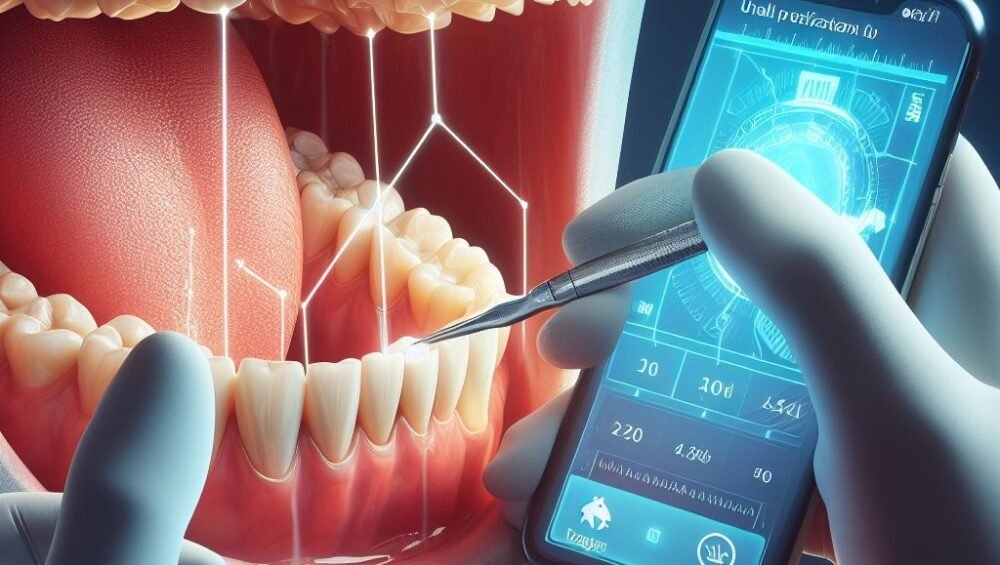
Close-up of a dental impression for ideal incisal length in bite registration.CategoriesComplete Dentures

Unlocking Precision in Dentistry: Ideal Incisal Length in Bite Registration

Introduction:

Precision is paramount in the complex world of dentistry. Achieving an appropriate chunk registration is a fundamental aspect of creating dental prosthetics, ensuring the consolation and features of an affected person’s smile are consistent. One of the important factors in this process is knowing the best incisal length. This comprehensive article will explore the artwork and technological know-how behind this vital concept, focusing on utilizing the Rim Bite Former Instrument Hot Plate and about Ideal Incisal Length in Bite Registration

The Significance of Incisal Length:

Dental technician perfecting incisal length for accurate bite registration.

The incisal length refers to the size of the incisal fringe of a tooth, which is the part of the teeth that meets its counterpart within the contrary arch through the biting and chewing process. It is critical to achieve the best incisal period because it impacts patients’ ability to bite and speak without problems and delay.

The bite registration system includes recording the patient’s chewing correctly, which is critical for developing dental restorations, crowns, bridges, and dentures. The incisal durion is a factor in this process because it guarantees that the synthetic teeth or restorations align correctly with the affected person’s current dentition.

The Role of Bite Registration:

Precision in Prosthodontics:

In the area of prosthodontics, precision is the gold standard. Dental experts should meticulously document the patient’s bite to create flawless and natural restorations. This is where chew registration comes into play. It involves shooting the connection between the upper and decreased jaws, ensuring that the artificial enamel or restorations are designed to shape the patient’s chunk as it should be.

Importance of Ideal Incisal Length:

The incisal length plays a pivotal position in chunk registration. When the incisal edges of the upper and decreased tooth meet successfully, it allows for a relaxing and helpful chew. If the incisal duration is wrong, it can cause trouble, such as problems in chewing, speaking, or even jaw pain.

Achieving the Perfect Fit:

Dental professionals use diverse strategies and gadgets to gain the appropriate chew. One of the vital pieces of gear in their arsenal is the Rim Bite Former Instrument Hot Plate. This specialized warm plate aids in recording the patient’s chew with precision and accuracy.

Understanding the Rim Bite Former Instrument Hot Plate:

The Hot Plate Technology:

The Rim Bite Former Instrument Hot Plate is a complicated dental device facilitating chew registration. It features a heated surface used to melt and mildew a wax rim. This wax rim represents the destiny enamel and is customized to the affected person’s unique chew necessities.

Customization and Precision:

What sets the Rim Bite Former Instrument Hot Plate apart is its capability to create a custom-in-shape wax rim. The warm plate lets dental specialists mildew the wax rim to the exact specs of the patient’s dentition, consisting of the appropriate incisal length. This level of customization is critical for developing dental restorations that suit seamlessly.

The Wax Rim:

Once molded on the new plate, the wax rim is a template for the final restorations. It captures the affected person’s chew and incisal duration extraordinarily accurately. This guarantees that the artificial tooth, crowns, or dentures will be fabricated to match the affected person’s herbal bite.

The Biting Process:

The affected person is asked to chew into the wax rim molded on the hot plate. This chew registration process statistics the affected person’s precise chew and incisal duration. It is a unique and repeatable approach for shooting the necessary information for prosthodontic paintings.

The Ideal Incisal Length:

Measuring incisal length for precise bite registration in dentistry.

What is the Ideal Length?

The best incisal period can range from one patient to every other. It is determined through the patient’s present dentition, facial aesthetics, and practical necessities. Achieving the ideal incisal duration isn’t always a one-size-fits-all method; it requires careful attention and customization for every patient.

Aesthetic Considerations:

The incisal length also prompts the aesthetics of an affected person’s smile. Dental professionals don’t forget factors, which include lip help and facial proportions while figuring out the suitable incisal duration for each character.

Functional Considerations:

In addition to aesthetics, practical issues are paramount. The incisal length must allow correct biting and chewing, even stopping troubles like over-closure or interference inside the affected person’s chunk.

A Customized Approach:

Dental specialists use the statistics obtained from the chew registration system to reap an appropriate incisal length. This information is then used to customize the dental restorations, ensuring that the incisal edges of the artificial tooth match the patient’s herbal dentition.

Advantages of the Rim Bite Former Instrument Hot Plate:

Precision and Consistency:

One of the number one blessings of using the Rim Bite Former Instrument Hot Plate is the extent of precision and consistency it offers. The hot plate permits the advent of especially correct wax rims, which are the inspiration for creating dental restorations with excellent health.

Time Efficiency:

The hot plate streamlines the chew registration procedure, saving precious time for each dental expert and the affected person. The ability to quickly create custom-suit wax rims is a vast time-saving characteristic.

Patient Comfort:

Recording the affected person’s bite and using the hot plate is relaxing and non-invasive. Patients can rest assured that their chunk is being captured with minimum discomfort.

Enhanced Patient Satisfaction:

Using the Rim Bite Former Instrument Hot Plate results in more advantageous patient pride. Restorations that are in shape nicely and provide a natural chunk result in happier sufferers.

Dental professional examining incisal length in the bite registration process.

Conclusion:

“In the realm of dentistry, achieving the ideal incisal length in bite registration is both an art and a science. It demands precision, customization, and the use of essential tools such, as the Rim Bite Former Instrument Hot Plate. Understanding the pivotal role of incisal length in the bite registration process is paramount in providing top-tier dental care. With the right techniques and equipment, dental professionals can craft restorations that not only look aesthetically pleasing but also seamlessly blend with a patient’s natural dentition.

As the field of dentistry continues to evolve, the Rim Bite Former Instrument Hot Plate remains a valuable asset, ensuring that patients leave the dental chair with a smile that is not only beautiful but also functions perfectly. Welcome to the world of ‘Ideal Incisal Length in Bite Registration,’ where precision and patient satisfaction are at the forefront of dental excellence.”

FAQ's

The incisal length in bite registration is crucial in achieving accurate dental restorations that blend seamlessly with a patient’s natural teeth. It is essential for both aesthetics and functionality.

Achieving the ideal incisal length involves using precise techniques and tools like the Rim Bite Former Instrument Hot Plate. These methods are essential for crafting restorations that meet patient expectations.

Precision is vital in dentistry to ensure that dental restorations are not only aesthetically pleasing but also functional. Achieving the ideal incisal length contributes to a patient’s overall satisfaction.

The Rim Bite Former Instrument Hot Plate is a valuable tool in dentistry that helps achieve the ideal incisal length. It plays a significant role in crafting restorations that meet the highest quality standards.

Emphasizing the ideal incisal length benefits patients by providing them with restorations that not only look great but also function flawlessly. It ensures dental professionals can deliver top-tier dental care and achieve patient satisfaction.